
Satellite images show Saudi oil loadings in Gulf at three-month high
Supertankers able to carry 14 million barrels were seen loading at Saudi Gulf terminals over the weekend.
· Source: Bloomberg
Summary
- Supertankers able to carry 14 million barrels were seen loading at Saudi Gulf terminals over the weekend.
- Riyadh is rerouting exports through Hormuz after its East-West pipeline was shut by an attack.
- Higher Gulf flows are key to capping crude prices, which topped $100 this month.
The latest
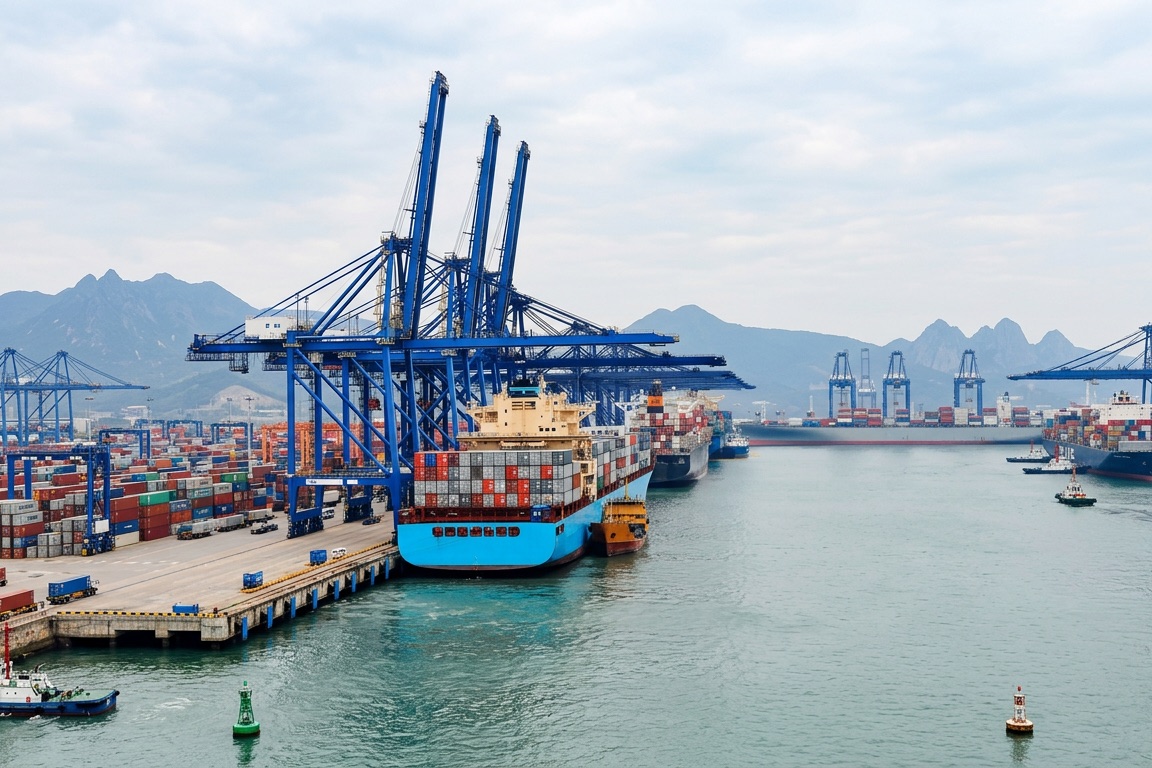
Tankers with capacity for 14 million barrels of crude were observed at Saudi Arabia's export terminals inside the Persian Gulf over the weekend, the highest reading since at least June, according to European Union Sentinel 2 satellite data compiled by Bloomberg. The snapshot is the strongest indication yet that the kingdom has pushed exports back toward the Strait of Hormuz after the shutdown of its main cross-country pipeline.
Details
- The reading: Bloomberg said the 14 million barrels of vessel capacity observed at Saudi Gulf installations marks the busiest loading picture since at least June. Ships typically load across several days, so the actual daily flow rate is lower than the headline figure captured in the snapshot.
- The volatility: Loading activity at the same location swings sharply day to day, Bloomberg noted. Friday's count was the lowest since the start of September, days before the weekend surge, underlining how unreliable any single satellite observation is as a measure of sustained exports.
- The pipeline: The East-West pipeline, with capacity of 7 million barrels a day, was shut this month after attacks by militants in Iraq. Bloomberg said it had been the kingdom's main workaround to the Iran war, moving barrels to the Red Sea away from the contested waterway.
- The Hormuz risk: Riyadh had used the pipeline specifically to bypass Hormuz, where Iran has been attacking tankers, but has since sought to revive shipments through the strait. Traders have been hunting for data on Saudi export levels since the conduit went offline earlier this month.
- The price stakes: Bloomberg said moving more oil through the strait is vital to keeping a lid on crude prices, which climbed back above $100 a barrel this month for the first time since July. Total Hormuz flows have held up but remain below pre-war levels, steadily eroding stockpiles.
- The workaround sale: Aramco sold roughly 60 million barrels of crude last week for delivery this month and next outside Hormuz, using ship-to-ship transfers, according to Bloomberg — a route that lets buyers take cargoes without sending vessels through the waterway itself.
- The baseline: Before the pipeline attack, Aramco was exporting about 4 million barrels a day, roughly 1 million through Hormuz and the rest from the Red Sea port of Yanbu, Bloomberg reported. That total was up from about 3 million barrels a day in August.
- The company line: Saudi Aramco declined to comment on the satellite images, according to Bloomberg. The company has not published its own export breakdown since the shutdown, leaving traders dependent on vessel tracking and satellite observation to estimate flows.
Background
The East-West pipeline runs from Saudi Arabia's eastern oil fields to Yanbu on the Red Sea, giving Riyadh an export route that avoids the Strait of Hormuz entirely. Its shutdown removed the kingdom's primary insurance policy against disruption in the Gulf waterway.
Between the lines
The two readings — Friday's lowest of the month, the weekend's highest since June — show why traders cannot yet judge whether Saudi exports have stabilized. With Aramco silent and the pipeline offline, satellite snapshots and ship-to-ship sales are the only visible signals, and both point to a system improvising around Hormuz rather than operating at pre-war capacity.
What's next
Watch whether Gulf loading counts hold near weekend levels in coming days, any timeline for restarting the East-West pipeline, further Aramco ship-to-ship sales outside Hormuz, and whether crude holds above $100 a barrel.
Source: Bloomberg