
Saudi Arabia restarts East-West pipeline, Brent drops over $2
Saudi Arabia restarted the East-West Pipeline nine days after drone attacks shut it, three sources told Reuters.
· Source: Reuters
Summary
- Saudi Arabia restarted the East-West Pipeline nine days after drone attacks shut it, three sources told Reuters.
- The line reroutes roughly 4 million barrels per day to Yanbu, bypassing the disrupted Strait of Hormuz.
- Brent fell more than $2 a barrel to its lowest level since September 8.
The latest
Crude is flowing again through Saudi Arabia's East-West Pipeline, nine days after drone attacks forced it shut and halted loadings at the Red Sea port of Yanbu, three sources briefed on the matter told Reuters. Exports from Yanbu could resume later Tuesday. The restart immediately hit prices: Brent futures fell by more than $2 a barrel, traders said.
Details
- The shutdown: Drone attacks forced the kingdom to shut the East-West Pipeline on September 13, according to Reuters, halting crude loadings at Yanbu. The port sits on the Red Sea, outside the Gulf, and has become the kingdom's alternative outlet for barrels that would otherwise transit the Strait of Hormuz.
- The volumes: Saudi Arabia has been using the pipeline to reroute around 4 million barrels per day to Yanbu, Reuters reported, a volume equal to roughly 4% of global supply. That rerouting began after flows through the Strait of Hormuz were disrupted in the wake of the US-Israeli war on Iran.
- Restart pace: The pipeline was pumping at a low rate immediately after the restart, two of the sources said. One source said Aramco was working to bring the rate back to 4 million bpd, while a security source said full resumption could take weeks, leaving the timeline for normal throughput unsettled.
- Market reaction: Brent crude futures fell by more than $2 a barrel to their lowest level since September 8, traders told Reuters, attributing the selling to the resumption of Saudi supplies. The drop erased the risk premium built up over the nine days the line was out of service.
- Refineries first: The restarted line will resume crude supply to Aramco refineries on the Red Sea coast, according to the sources. Domestic refining demand is served alongside the export program rather than after it, meaning not all restored throughput converts directly into seaborne cargoes.
- First cargo: One cargo was scheduled to load at Yanbu later Tuesday, bound for China, the sources said. Asian buyers are the principal destination for Saudi crude moving through the Red Sea route, and the loading is the first concrete sign that exports are restarting rather than merely pumping.
- The Hormuz factor: Before the September 13 attacks, the pipeline was the workaround. With it down, Saudi Arabia was forced to send exports back through the Strait of Hormuz at a moment when Hormuz itself was disrupted by the US-Israeli war on Iran, according to Reuters.
- Official silence: Aramco has not published a statement on the restart, and no official timeline for restoring the full 4 million bpd has been announced. The account rests on three sources briefed on the matter, including one security source, none of whom were identified by name.
Background
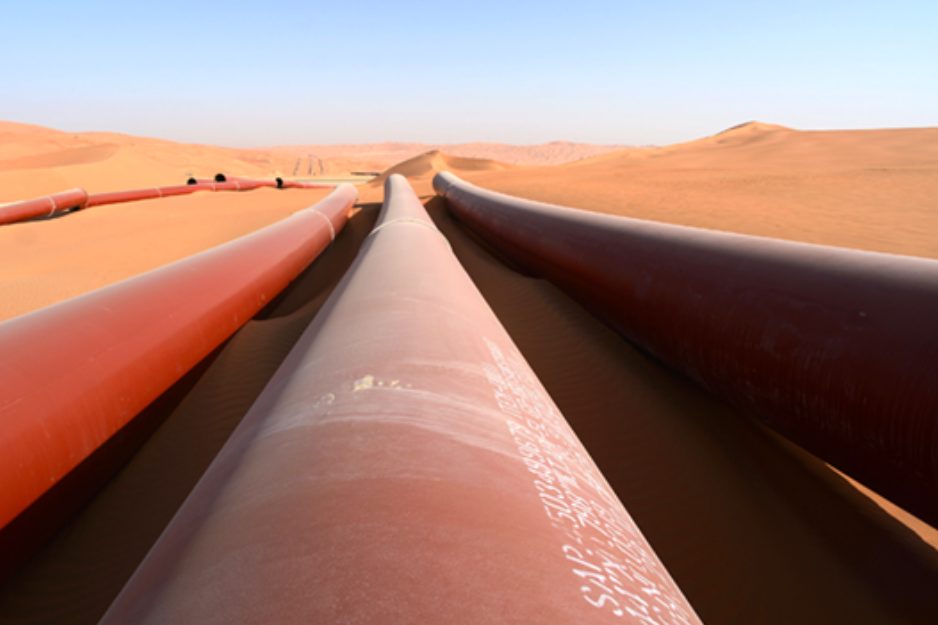
The East-West Pipeline runs from the kingdom's eastern oil fields to Yanbu on the Red Sea. Its strategic value is that it lets Saudi crude reach global buyers without passing through the Strait of Hormuz, the chokepoint at the mouth of the Gulf.
Between the lines
The $2 slide in Brent measures how much the market had priced into a single pipeline. With Hormuz already disrupted, the East-West line was carrying about 4% of global supply as the alternative route, so its outage removed the workaround and the fallback at once. That also explains why traders sold on a restart still running at a low rate.
What's next
Watch whether the Yanbu cargo bound for China loads on schedule, and how quickly Aramco lifts pumping toward 4 million bpd. A security source put full resumption at weeks, making throughput data the near-term price signal.
Source: Reuters